
Sublime Cenotes
Mayan beliefs and the natural world of the Yucatan

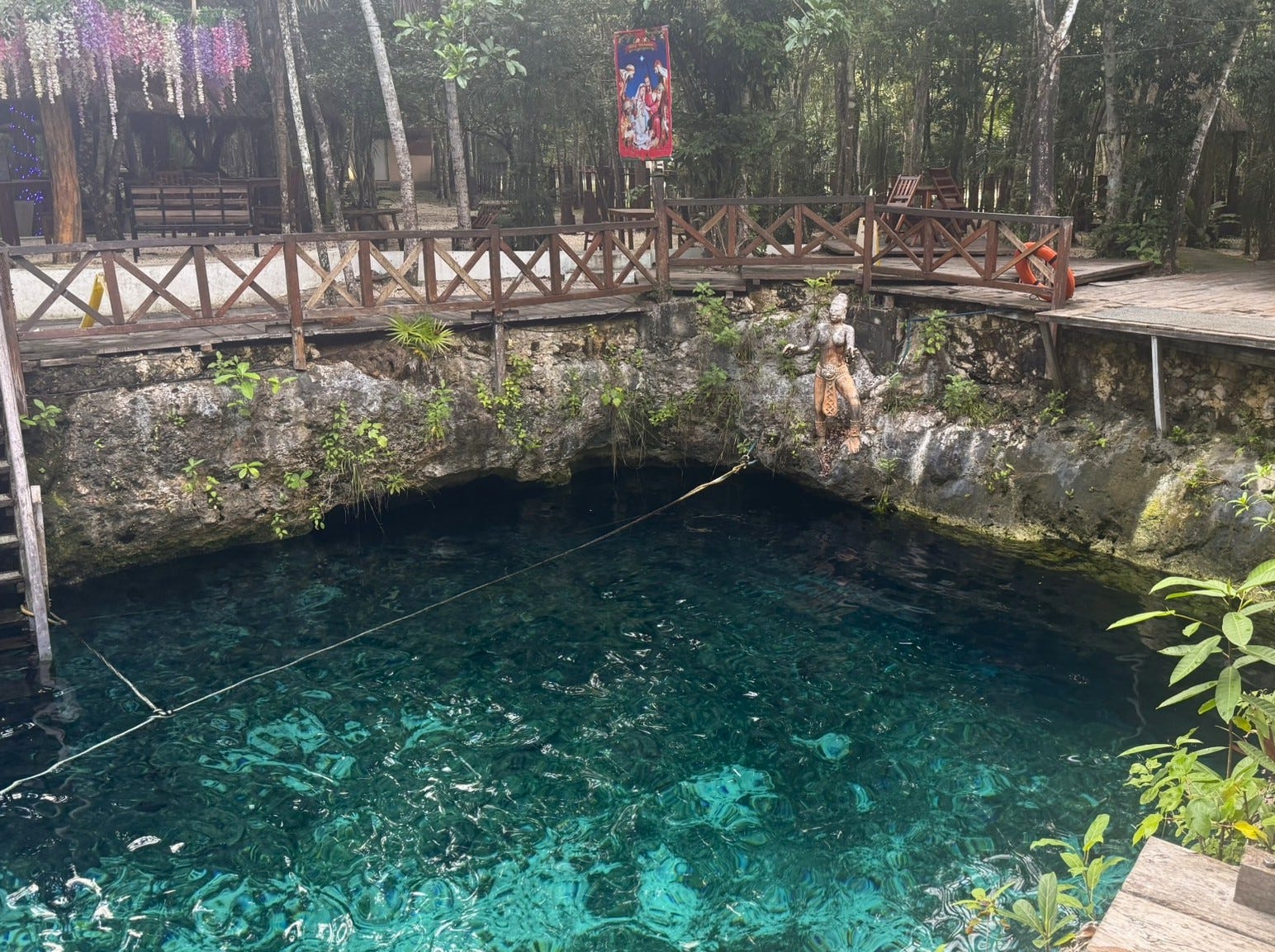
Ever since learning about cenotes years ago (probably from reading Kingsolver’s 2009 novel The Lacuna), I’ve wanted to go to the Yucatan and swim in one. Cenotes are like sinkholes filled with water, and the Yucatan has over 6000 of them, by far the largest concentration in the world. Some connect to underground rivers that connect with the sea, enabling scuba divers to jump into fresh water and emerge in the ocean. Some are totally underground, like swimming in a cave, and some are open to the sky.
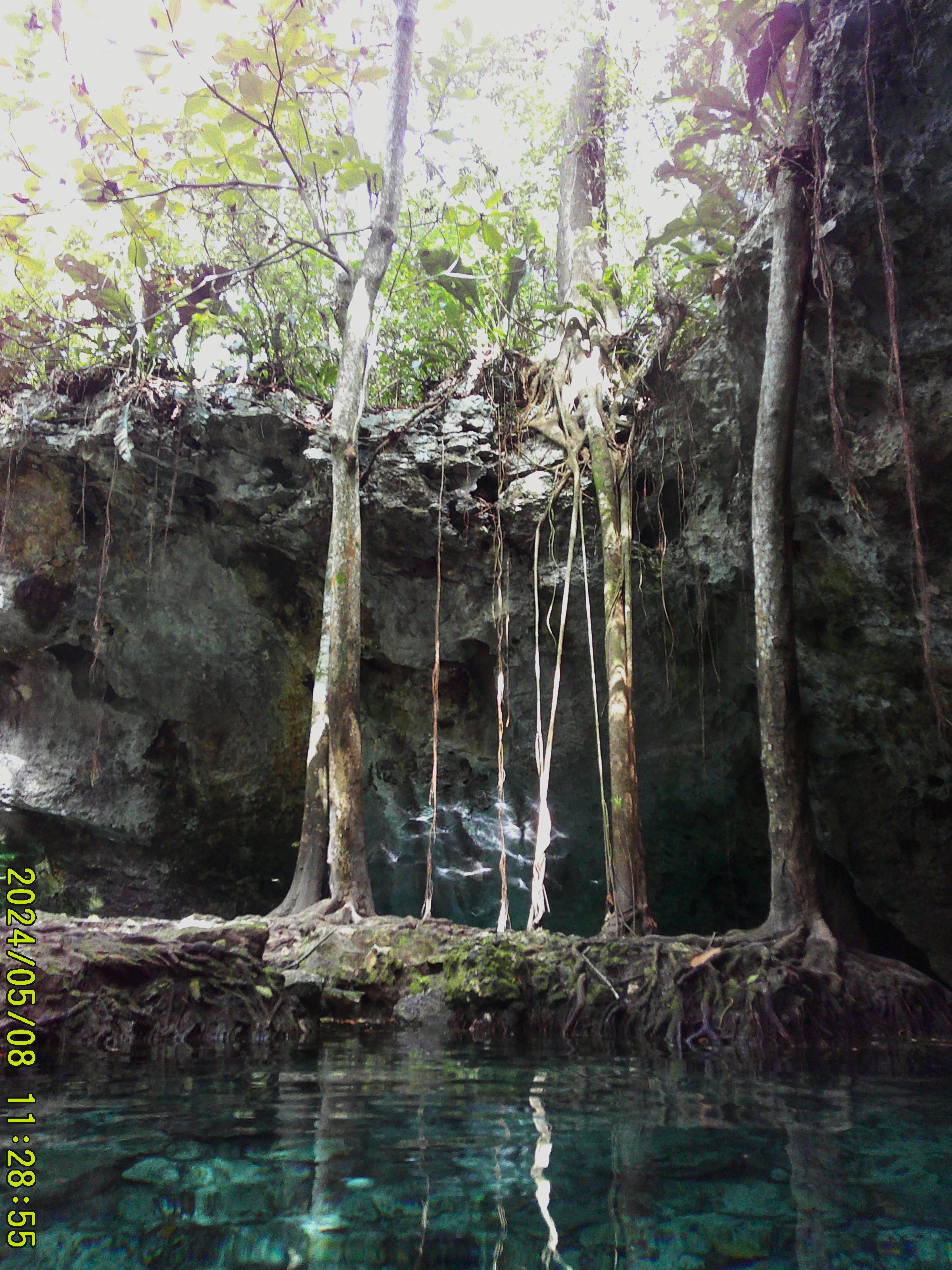
Mark and I took a recent trip to Tulum, and we swam in not one but four cenotes (three open and one underground). That’s not all we did on the trip — we saw the impressive Mayan ruins at Coba and Tulum, went birdwatching, and took a boat trip down ancient mangrove canals in the Sian Ka’an biosphere. All of that was great, but the cenotes were a major highlight of the trip for me.
We heard some conflicting accounts of how cenotes were created. One man selling tours to a popular cenote told us that cenotes were created when a big meteor hit the earth. Other locals explained that the area has numerous underground rivers, which collapse the porous limestone, causing sinkholes that fill with water. It turns out that both stories are correct.
Scientists have determined that a meteorite hit the earth at the edge of what’s now the Yucatan peninsula 66 million years ago (likely causing the extinction of dinosaurs and many other life forms). Following the asteroid’s hit, a ring of cenotes formed, after millions of years, along the rim of the impact crater (called the Chicxulub crater). Before the asteroid’s impact, the Yucatan peninsula had been under the sea, and the impact shifted the tectonic plates and lifted the peninsula out of the water. Seawater and rain then carved through the limestone to create underground aquifers. When the limestone roof collapses, you have a cenote. The area is a giant “karstic” plateau, and the Yucatan has the longest cave systems in the world.
Ancient Mayans1 in the Yucatan relied on the freshwater in cenotes for agriculture and drinking water, and settled near them. They believed that cenotes are the entrance to the underworld, where we all go after we die. Inscriptions and evidence of fires have been found deep in cave systems and around cenotes, showing that Mayans held important ceremonies and rituals there. The Mayans believed they could communicate with gods and ancestors through the walls of these caves.
Still today, local Mayans hold ceremonies, including weddings, at cenotes. At the Actun Chen cenote complex we took a walking tour through an enormous set of dry caves that included water-filled cenotes within them, and one had a wooden platform on which weddings are regularly performed.
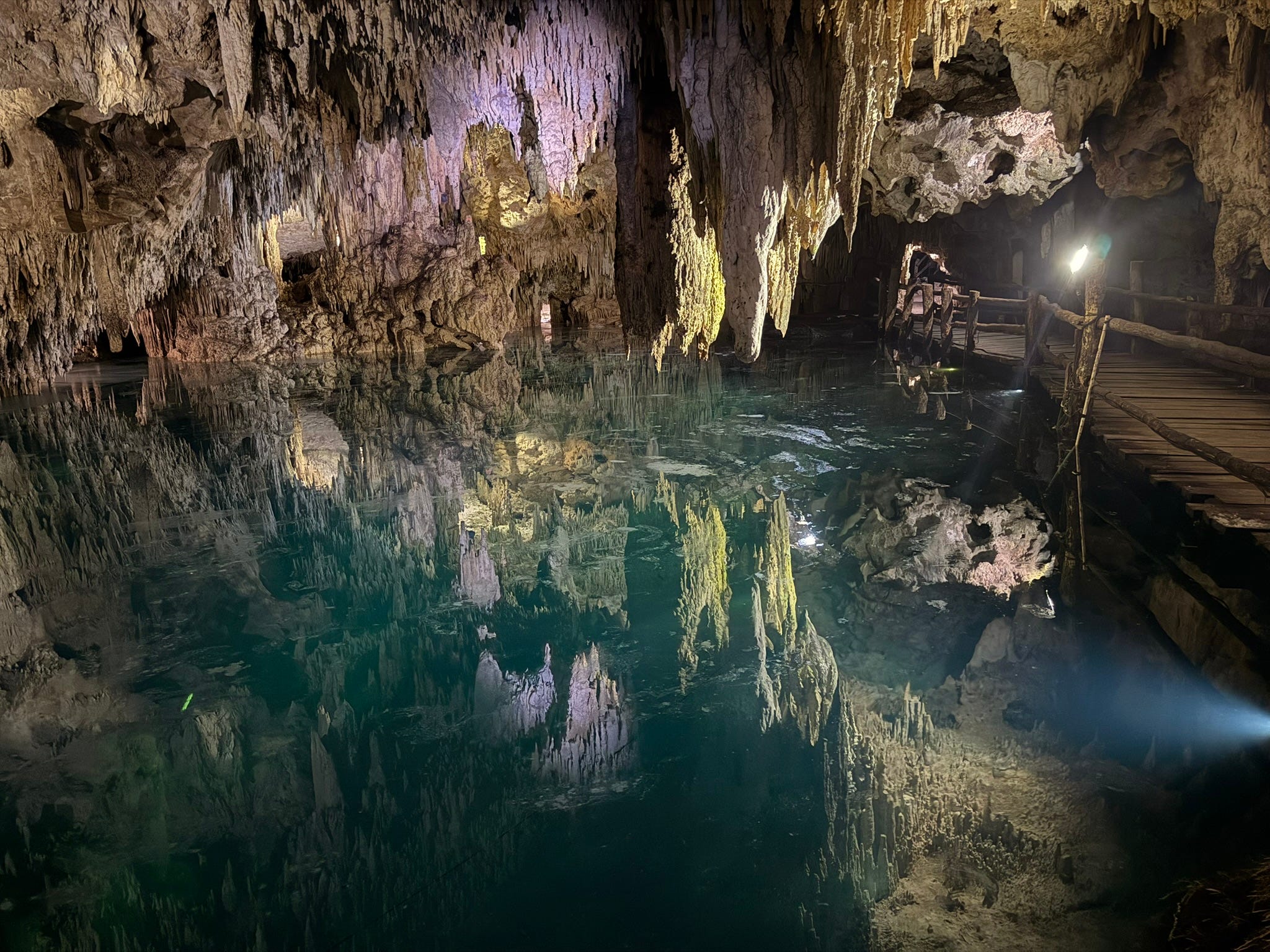
Of course, the Yucatan gets zillions of tourists, and cenotes are at risk. All the ones we visited require you to shower before entering the water, and prohibit the use of sunblock lotions because they harm the water and its plants and animals. Some cenotes enforce these rules better than others, and I have to hope that future tourists will take care.
I was happy to see that at our four cenotes there was crystal-clear water, thanks to those underground streams. There are fish and plants, and at one cenote we swam with lots of turtles.
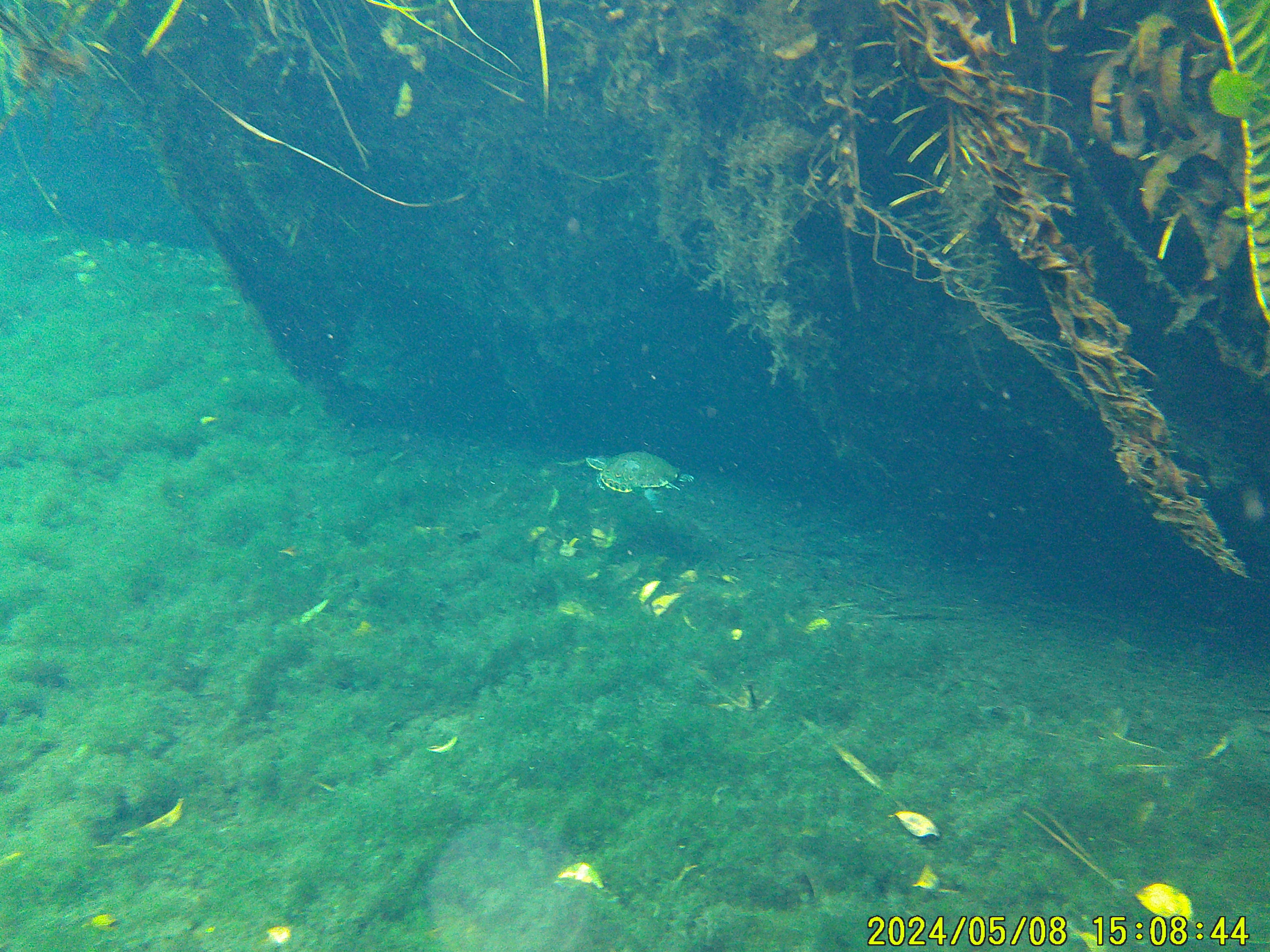
We were fortunate to be in the Yucatan in November when tourism is low. We had several of the cenotes to ourselves, and that was magical. I floated in the water, breathing through my snorkel and looking around at the fish, the plants, and the rock formations.
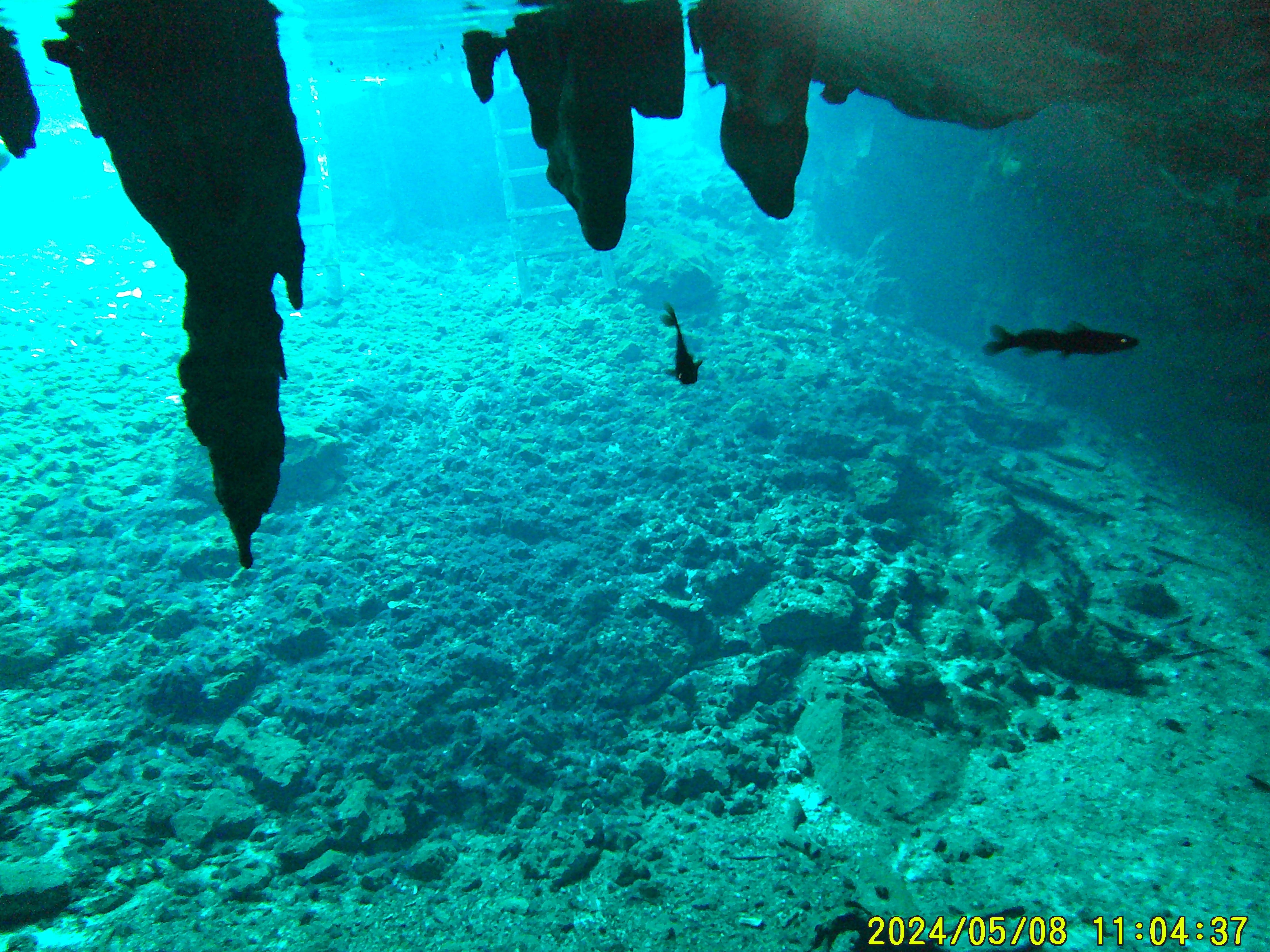
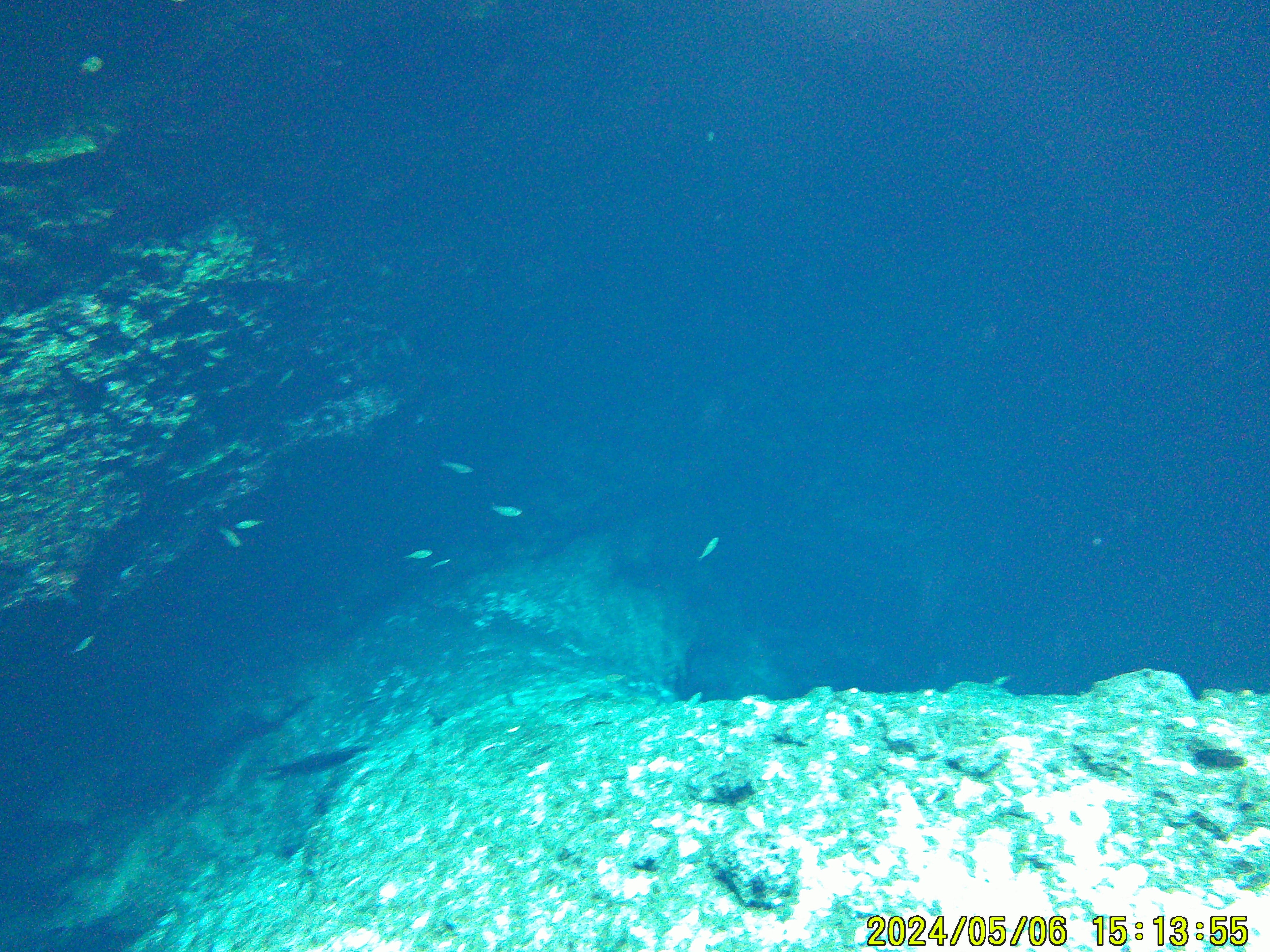
At some of the cenotes, when I dove under while snorkeling, I saw enormous caverns of deep black that appear bottomless and spooky. I could definitely see why the ancient Mayans believed that the cenotes are entryways to the underworld.
Although the Spanish conquistadores destroyed much of the ancient Mayans’ writings, we are fortunate that enough survived that Mayanist researchers have been able to translate the hieroglyphics, and now we know more about the ancient belief system. More about the multiplicity of gods, some of whom were local.
And we know more about the Mayan belief in an animating life force in all things — plants, animals, even objects like rocks. In this “monism” view, humans are not distinct individuals so much as connected to everything in the world through one’s soul. After death, the soul carries on in the afterlife.
It’s a nice belief system. As I floated in the water, in the midst of a jungle with towering trees and chattering birds and beautiful flowering plants, I dove under and saw a turtle swimming next to me. She turned to look at me, and I could feel the connection. We are all in this together, in this world, and we need to take care of one another. Humans, turtles, trees, and rocks. It’s up to all of us to protect our wonderful world.
Previous post about the Mayans:
Other posts on Mexico:
Charmed and Confused in Chiapas
Sources, or for further reading:
https://sites.northwestern.edu/monroyrios/some-maps/chicxulub-and-ring-of-cenotes/
https://en.wikipedia.org/wiki/Chicxulub_crater
https://byustudies.byu.edu/article/classic-maya-religion-beliefs-and-practices-of-an-ancient-american-people
https://www.thecollector.com/maya-civilization-guide/
The Lacuna, Barbara Kingsolver (Harper, 2009)
The ancient Mayan civilations were in the modern-day Guatemala, Belize, and southern parts of Mexico (from Chiapas up through the Yucatan). They existed from 2000 BC through the 17th century, with the peak of their civilization from 300-600 AD. Many sites were built much later, however; Tulum’s heydey was in the 13th-15th centures.
Thank you for this, Jill! We had a magical time swimming in a cenote, and I love having the opportunity to learn more about them. I wish we’d seen turtles!
Enjoyed you sublime notes!